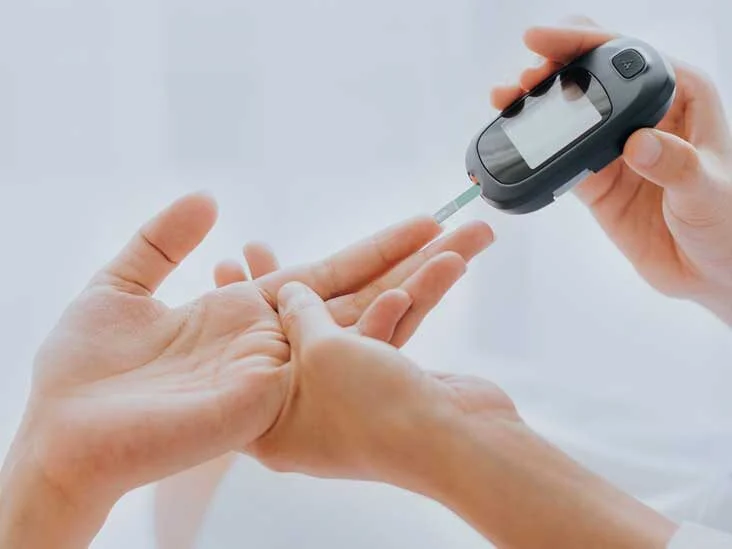
In pre-diabetes (impaired glucose tolerance, now usually referred to as non-diabetic hyperglycaemia), your blood sugar (glucose) is raised beyond the normal range. Whilst this raised glucose level is not so high that you have type 2 diabetes, you are at increased risk of developing type 2 diabetes when you have pre-diabetes.
Someone can be PRE DIABETES when:
A fasting blood glucose of less than 7 mmol/L; and
A blood glucose of 7.8 mmol/L or more but less than 11.1 mmol/L after a two-hour oral glucose tolerance test.
Many people have blood sugar levels above the normal range, but not high enough to be diagnosed as having diabetes. This is known as non-diabetic hyperglycaemia, or pre-diabetes.
People with non-diabetic hyperglycaemia are at greater risk of developing type 2 diabetes, but the risk can be reduced through lifestyle changes.
People with pre-diabetes (impaired glucose tolerance) usually have no symptoms.
You are often found to have pre-diabetes after blood tests taken for another reason show that you have a raised blood sugar (glucose) level
What causes pre-diabetes?
Pre-diabetes (impaired glucose tolerance) develops for the same reasons as type 2 diabetes. These include;
*Being overweight or obese most people with pre-diabetes are overweight or obese).
*Having a family history of diabetes. This refers to a close family member with diabetes – a mother, father, brother or sister.
*Doing little physical activity.
*Having other risk factors for cardiovascular disease such as high blood pressure or high cholesterol levels.
*If you developed diabetes during pregnancy (called gestational diabetes).
Pre-diabetes treatment
Lifestyle changes such as diet and exercise.
Lifestyle changes
Lifestyle changes have been found to be the most effective way to stop pre-diabetes from developing into diabetes. losing weight if you are overweight, and increasing your levels of physical activity, can help to reduce insulin resistance and therefore make the insulin that is produced more effective at controlling your blood glucose levels.
If you have pre-diabetes, you should:
*Eat a healthy balanced diet: you should aim to eat a diet low in sugar high in fibre, with plenty of fruit and vegetables:
Starchy foods contain carbohydrates. Standard advice is that you should continue to eat some starchy foods, although you should focus on wholegrain and wholewheat versions – so-called ‘complex carbohydrates’. These tend to have a lower glycaemic index (GI) which means they are more slowly absorbed and do not raise your blood sugar as rapidly.
However, what many people don’t realise is that starchy carbohydrates like bread, potatoes or breakfast cereals digest down into a surprisingly large amount of sugar and as such be avoid if you are Diabetic of pre diabetic.
*Lose weight if you are overweight. Getting to a perfect weight is unrealistic for many people. However, if you are overweight or obese then losing some weight will help to reduce your blood glucose level (and have other health benefits too).
*Do some physical activity regularly. If you are able, a minimum of 30 minutes of physical activity at least five times a week is advised. For example, walking, swimming, cycling, jogging, dancing – anything that makes you at least mildly out of breath and mildly sweaty. You can start slowly and build up. You can also spread the activity over the day – for example, two 15-minute spells per day. Regular physical activity also reduces your risk of having a heart attack or stroke.
Can pre-diabetes be prevented?
The same things that can help in preventing type 2 diabetes can help prevent pre-diabetes (impaired glucose tolerance). These include:
Eating a healthy balanced diet.
Losing weight if you are overweight.
Doing some physical activity regularly.
